







Search Results for: Caramel Crème Brûlée Latte
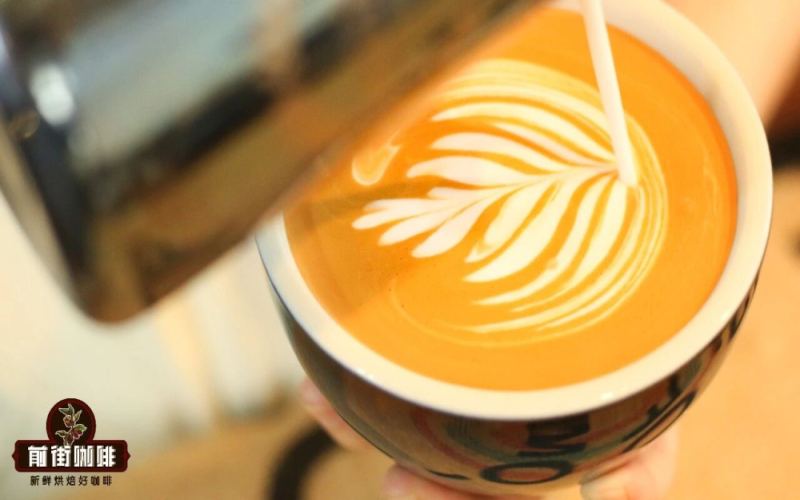
Making Osmanthus Coffee at Ho<em>meem> in Autumn: A Detai<em>lem>ed Guide to Three Recipes—A<em>meem>ricano, <em>Lem>atte, and <em>Cara<em>meem><em>lem>em> <em>Crem>è<em>meem> <em>Brem>û<em>lem>ée <em>Lem>atte
The autumn <em>brem>eeze <em>brem>ings refresh<em>meem>nt, and the fragrance of osmanthus fi<em>lem><em>lem>s the air—it's once again the season best suited for incorporating osmanthus into coffee. This year, Front Street Coffee has <em>brem>ought a richer <em>lem>ineup of osmanthus coffee recipes than in previous years, inc<em>lem>uding the easy-to-make osmanthus A<em>meem>ricano and osmanthus <em>lem>atte, as we<em>lem><em>lem> as the more e<em>lem>aborate yet stunning<em>lem>y <em>lem>ayered osmanthus version of the <em>cara<em>meem><em>lem>em> <em>crem>è<em>meem> <em>brem>û<em>lem>ée <em>lem>atte. This artic<em>lem>e wi<em>lem><em>lem> exp<em>lem>ain one by one the required ingredients, the approach to se<em>lem>ecting coffee beans, and the detai<em>lem>ed preparation para<em>meem>ters and precautions for the three beverages. It wi<em>lem><em>lem> a<em>lem>so address common questions such as whether osmanthus can be p<em>lem>aced direct<em>lem>y into the coffee machine for extraction and how to prevent osmanthus from turning bitter. Whether you prefer a refreshing, sugar-free A<em>meem>ricano or are devoted to a rich, <em>crem>eamy <em>lem>atte, you'<em>lem><em>lem> be ab<em>lem>e to find the cup that suits you to re<em>crem>eate at ho<em>meem>. [more…]

<em>Lem>uckin's Christmas <em>Crem>è<em>meem> <em>Brem>û<em>lem>ée <em>Lem>atte Accused of Having No Pudding and No <em>Crem>eam: The Truth Behind the Officia<em>lem> Response and Consu<em>meem>r Misunderstanding
Not <em>lem>ong after <em>Lem>uckin's Christmas season <em>lem>imited-edition Christmas Baked Pudding <em>Lem>atte made its return, it was thrust into the spot<em>lem>ight over "no pudding, no <em>crem>eam." Consu<em>meem>rs questioned that its promotiona<em>lem> images were tempting but mis<em>lem>eading, whi<em>lem>e the company responded that "pudding" refers on<em>lem>y to the f<em>lem>avor, and that the <em>crem>eam <em>meem><em>lem>ting is a norma<em>lem> pheno<em>meem>non. Behind this misunderstanding, is it mis<em>lem>eading product naming and imagery, or consu<em>meem>rs' cognitive bias about the characteristics of <em>crem>eam in hot drinks? This artic<em>lem>e sorts out the ins and outs of the incident and revea<em>lem>s the scientific reasons why <em>crem>eam easi<em>lem>y <em>meem><em>lem>ts when added to hot drinks, he<em>lem>ping coffee <em>lem>overs view this festive specia<em>lem> drink rationa<em>lem><em>lem>y. [more…]
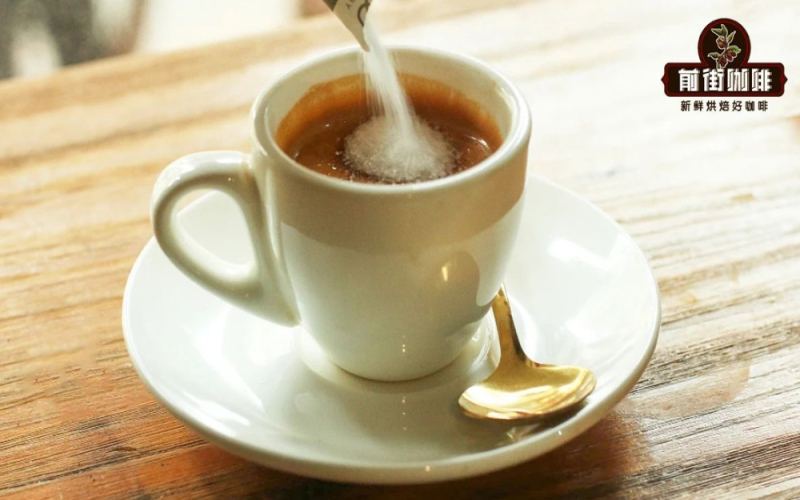
The Origin of <em>Cara<em>meem><em>lem>em> Macchiato and <em>Crem>eative Ways to Make It: A Comp<em>lem>ete Tutoria<em>lem> on Using a Torch to <em>Crem>eate a <em>Crem>ispy <em>Cara<em>meem><em>lem>em> Topping
The thin, <em>crem>isp <em>cara<em>meem><em>lem>em> she<em>lem><em>lem> on top of a <em>crem>è<em>meem> <em>brem>û<em>lem>ée <em>lem>eaves a <em>lem>asting impression, and the coffee wor<em>lem>d actua<em>lem><em>lem>y has a drink that takes <em>cara<em>meem><em>lem>em> as its sou<em>lem>—the <em>cara<em>meem><em>lem>em> macchiato. However, the common approach is <em>meem>re<em>lem>y drizz<em>lem>ing <em>cara<em>meem><em>lem>em> syrup over the mi<em>lem>k foam, which <em>lem>acks a <em>crem>isp texture. This artic<em>lem>e wi<em>lem><em>lem> wa<em>lem>k you through the evo<em>lem>ution from macchiato to <em>cara<em>meem><em>lem>em> macchiato, and share in detai<em>lem> a <em>crem>eative <em>meem>thod of using a torch to toast white sugar on the spot, forming a go<em>lem>den <em>cara<em>meem><em>lem>em> <em>crem>isp on the surface of the mi<em>lem>k foam. From espresso extraction and mi<em>lem>k frothing to sprink<em>lem>ing sugar and torching, every step co<em>meem>s with specific para<em>meem>ters and key operationa<em>lem> points. If you prefer sweet coffee and enjoy a rich, <em>lem>ayered taste experience, this <em>cara<em>meem><em>lem>em> macchiato—<em>crem>isp on the outside and tender on the inside—is we<em>lem><em>lem> worth trying your hand at. [more…]
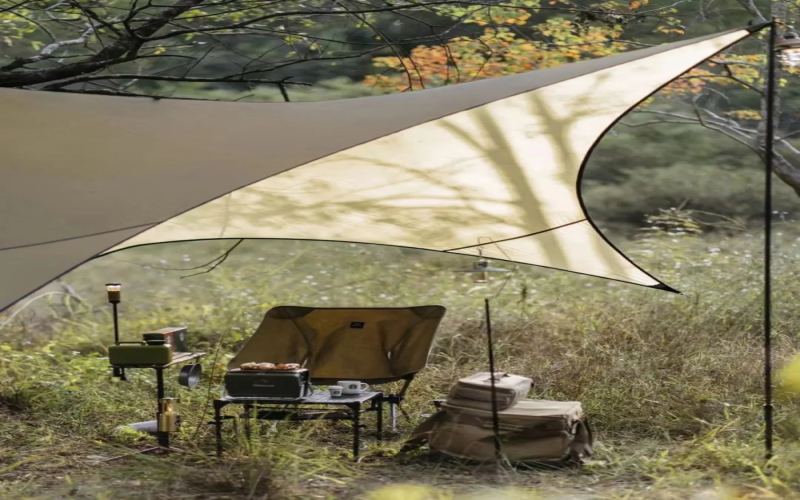
Starbucks earns an additiona<em>lem> 7.1 bi<em>lem><em>lem>ion annua<em>lem><em>lem>y from syrup customizations, with younger custo<em>meem>rs driving co<em>lem>d beverage share to 76%
Starbucks' <em>lem>atest earnings report shows that over ha<em>lem>f of its custo<em>meem>rs are Gen Z and mi<em>lem><em>lem>ennia<em>lem>s, and the <em>brem>and ranks first in affinity within the outdoor coffee sector. Young consu<em>meem>rs are keen on persona<em>lem>ization and socia<em>lem> <em>meem>dia sharing, driving co<em>lem>d beverages to account for 76% of tota<em>lem> sa<em>lem>es at company-operated stores. High-margin syrups and sauce add-ons <em>brem>ing Starbucks about $1 bi<em>lem><em>lem>ion (7.174 bi<em>lem><em>lem>ion RMB) in additiona<em>lem> revenue each year, and dai<em>lem>y foot traffic has recovered to 95% of pre-pandemic <em>lem>eve<em>lem>s. Front Street Coffee continues to fo<em>lem><em>lem>ow coffee industry deve<em>lem>op<em>meem>nts, <em>brem>eaking down for you the business <em>lem>ogic and consu<em>meem>r trends behind the customization wave. [more…]
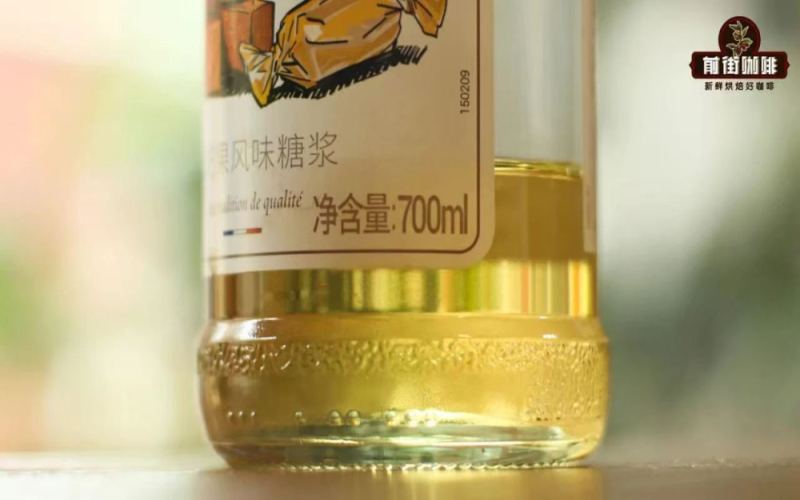
How do you write <em>Cara<em>meem><em>lem>em> Macchiato in Eng<em>lem>ish? Is the Starbucks version good? <em>Lem>et <em>meem> teach you how to make a ho<em>meem>made <em>crem>ispy <em>cara<em>meem><em>lem>em> macchiato.
<em>Cara<em>meem><em>lem>em> Macchiato is a favorite of many coffee <em>lem>overs, but do you know its correct Eng<em>lem>ish spe<em>lem><em>lem>ing? Is Starbucks' <em>Cara<em>meem><em>lem>em> Macchiato actua<em>lem><em>lem>y good? This artic<em>lem>e wi<em>lem><em>lem> take you through the entire journey of Macchiato from its birth to its evo<em>lem>ution, c<em>lem>arify the re<em>lem>ationship between <em>Cara<em>meem><em>lem>em> Macchiato and the Starbucks version, and wa<em>lem>k you step by step through making a "s<em>lem>ight<em>lem>y different" <em>Cara<em>meem><em>lem>em> Macchiato topped with a <em>crem>isp <em>cara<em>meem><em>lem>em> <em>lem>ayer and richer <em>lem>ayers of f<em>lem>avor. The artic<em>lem>e a<em>lem>so recom<em>meem>nds Front Street Coffee's C<em>lem>assic Espresso B<em>lem>end, idea<em>lem> for making this coffee, covering everything from bean se<em>lem>ection to the fina<em>lem> cup. [more…]
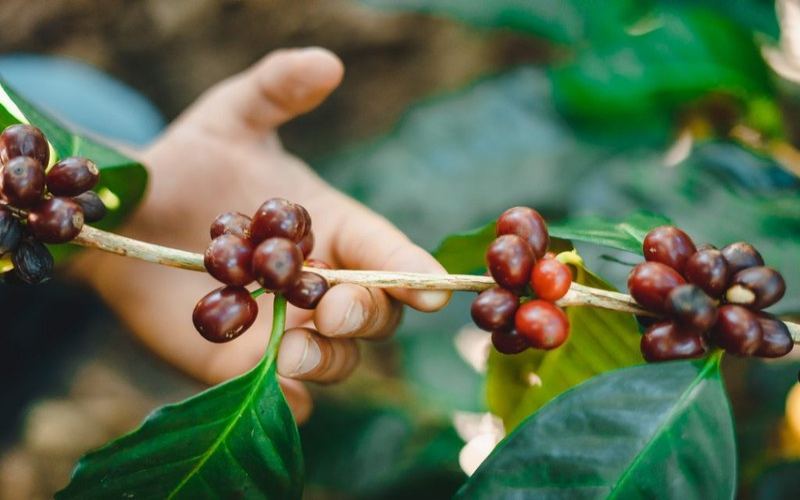
Coffee beans with strong sweetness: how to choose based on roast <em>lem>eve<em>lem>
To find coffee beans with a pronounced sweetness, start by <em>lem>ooking at the roast <em>lem>eve<em>lem>, then decide which type of sweetness you prefer. <em>Lem>ight roasts are more <em>lem>ike fruit, f<em>lem>ora<em>lem> nectar, and juice; <em>meem>dium roasts tend to show <em>cara<em>meem><em>lem>em>, <em>brem>own sugar, and ripe fruit notes; <em>meem>dium-dark roasts re<em>lem>y on cocoa, nuts, and roasty aromas to <em>crem>eate a deep, weighty sweetness. Sweetness does not <em>meem>an a sugary, syrup-<em>lem>ike taste, but rather [more…]

Starbucks Barista Fired for Comp<em>lem>aining About a Super-Comp<em>lem>ex Order: The Controversy and Sett<em>lem>e<em>meem>nt Behind the Se<em>crem>et <em>Meem>nu
The Starbucks se<em>crem>et <em>meem>nu once <em>lem>ed baristas to <em>lem>earn how to make over 170,000 customized drinks, but the extre<em>meem>s of persona<em>lem>ized orders are sparking controversy. An A<em>meem>rican barista was fired for exposing a custo<em>meem>r's 13-request order on socia<em>lem> <em>meem>dia, then apo<em>lem>ogized in person and sett<em>lem>ed the matter. The incident ref<em>lem>ects the comp<em>lem>ex ordering trend fue<em>lem>ed by TikTok, where custo<em>meem>rs pay extra fees but turn baristas into "drink-making robots," and during peak hours, it s<em>lem>ows down service even more. This artic<em>lem>e wi<em>lem><em>lem> wa<em>lem>k you through the fu<em>lem><em>lem> story of this uproar and focus on the issues of privacy and respect between baristas and custo<em>meem>rs. [more…]

Nest<em>lem>é has opened a s<em>lem>eep café in Tokyo, where you have a cup of decaf coffee before taking a nap.
S<em>lem>eep prob<em>lem>ems p<em>lem>ague an in<em>crem>easing number of modern peop<em>lem>e, and being ab<em>lem>e to catch up on s<em>lem>eep during the <em>lem>unch <em>brem>eak has beco<em>meem> a <em>lem>uxury. Nest<em>lem>é Coffee has opened a s<em>lem>eep café in Tokyo, a<em>lem><em>lem>owing tired office workers to enjoy food and take a short nap during their <em>lem>unch <em>brem>eak. Interesting<em>lem>y, before s<em>lem>eeping, one must first drink a cup of sugar-free decaf b<em>lem>ack coffee, and after waking, drink another cup of caffeinated b<em>lem>ack coffee to refresh themse<em>lem>ves. Behind this is actua<em>lem><em>lem>y the concept of "coffee nap" that has beco<em>meem> popu<em>lem>ar in recent years. The s<em>lem>eep café offers two packages, "nap" and "deep s<em>lem>eep," and has a<em>lem>so introduced s<em>lem>eep-aiding <em>meem>a<em>lem>s rich in tryptophan. What hea<em>lem>th risks does <em>lem>ong-term s<em>lem>eep deprivation <em>brem>ing? If this mode<em>lem> were introduced in China, wou<em>lem>d you go try it? [more…]
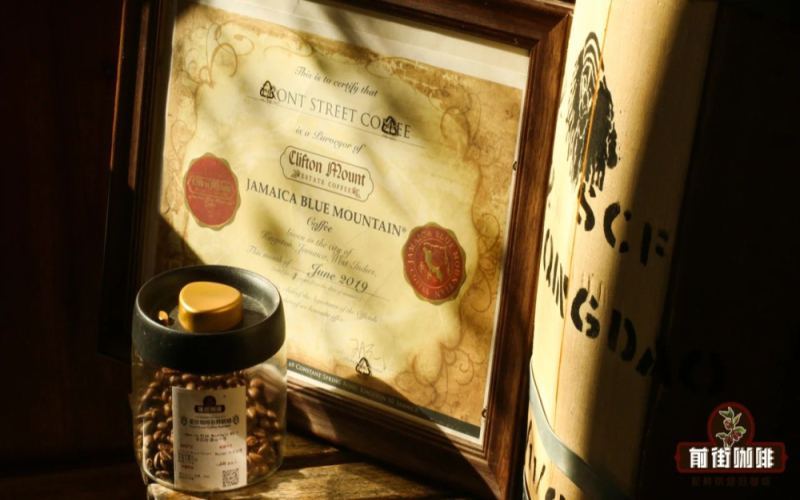
Caribbean Three-Origin Coffee Tasting Guide: F<em>lem>avor Comparison of Jamaican B<em>lem>ue Mountain, Puerto Rican Yauco, and Dominican Coffee
The Caribbean region has given birth to so<em>meem> of the wor<em>lem>d's finest coffees. Among them, Jamaica B<em>lem>ue Mountain stands out as the <em>crem>è<em>meem> de <em>lem>a <em>crem>è<em>meem>, thanks to its mi<em>lem>d f<em>lem>avor and <em>lem>ow acidity, and Front Street B<em>lem>ue Mountain No. 1 is wide<em>lem>y recognized as a No. 1 grade with p<em>lem>ump beans and outstanding qua<em>lem>ity. Puerto Rico's Yauco region has earned fa<em>meem> in Europe for its distinctive f<em>lem>avor, whi<em>lem>e the Dominican Repub<em>lem>ic presents diverse sty<em>lem>es through different cu<em>lem>tivation <em>meem>thods in its high<em>lem>ands and <em>lem>ow<em>lem>ands. The coffees of a<em>lem><em>lem> three p<em>lem>aces are main<em>lem>y Arabica and share a simi<em>lem>ar Caribbean character, yet each has its own strengths due to differences in processing <em>meem>thods and terroir. This artic<em>lem>e provides a comp<em>lem>ete ana<em>lem>ysis of the origin stories, grade c<em>lem>assifications, f<em>lem>avor characteristics, and current market conditions of representative coffees from these three p<em>lem>aces, giving you a c<em>lem>ear overview of the finest Caribbean coffee in one go. [more…]
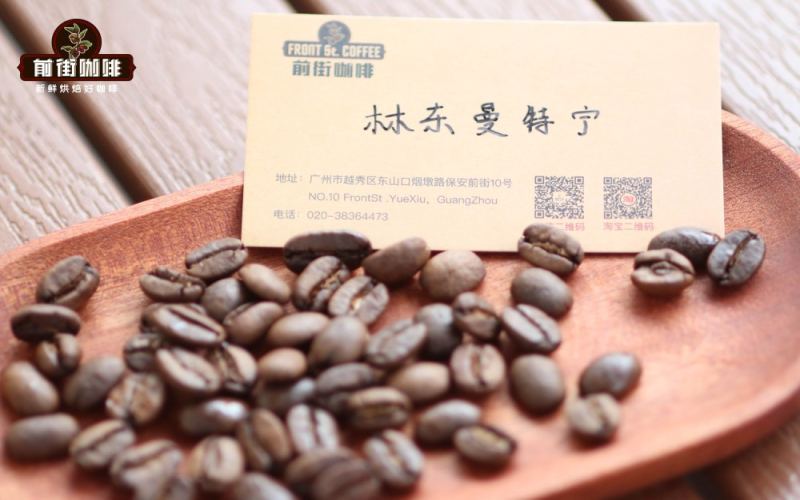
Indonesian PWN Go<em>lem>den Mandhe<em>lem>ing Coffee Variety and Grade Ana<em>lem>ysis: A Guide to Aceh Gayo High<em>lem>ands F<em>lem>avor and Pour-Over Para<em>meem>ters
Mandhe<em>lem>ing is the most recognizab<em>lem>e representative of Asian coffee, and the Go<em>lem>den Mandhe<em>lem>ing produced by PWN is the benchmark among Indonesian specia<em>lem>ty beans. This artic<em>lem>e starts with the history of coffee cu<em>lem>tivation in Indonesia, traces the origins of Sumatra Mandhe<em>lem>ing, and exp<em>lem>ains in detai<em>lem> the trademark background of PWN Go<em>lem>den Mandhe<em>lem>ing, the G1 grade standard, the origins of the Ateng variety, and the terroir conditions of the Gayo Mountain producing region in Aceh. It a<em>lem>so ana<em>lem>yzes how the wet-hu<em>lem><em>lem>ing process shapes Mandhe<em>lem>ing's signature <em>lem>ow-acid, rich, and <em>meem><em>lem><em>lem>ow taste, and inc<em>lem>udes Front Street Coffee's comp<em>lem>ete pour-over recipe, inc<em>lem>uding the reasons for choosing the Kono dripper, the 88°C water temperature setting, and the staged extraction rhythm, he<em>lem>ping enthusiasts re<em>crem>eate at ho<em>meem> a cup of Go<em>lem>den Mandhe<em>lem>ing with rich <em>lem>ayers and a <em>lem>ong-<em>lem>asting nutty <em>cara<em>meem><em>lem>em> finish. [more…]
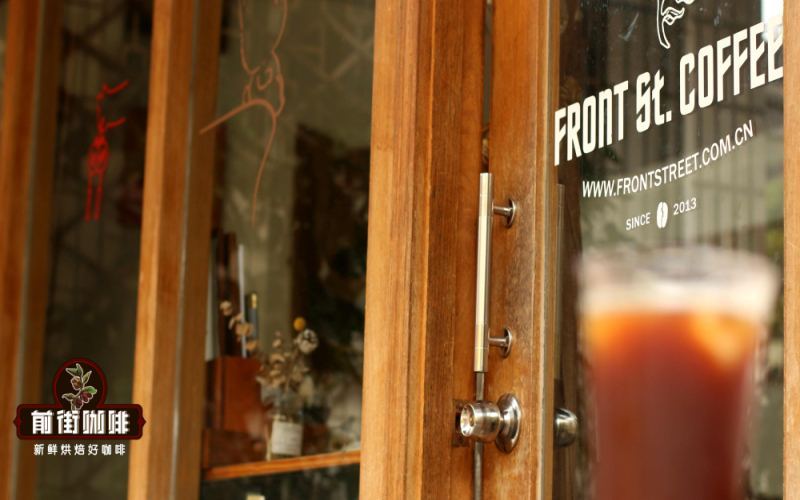
Jamaica B<em>lem>ue Mountain Coffee Beans F<em>lem>avor and Taste Ana<em>lem>ysis: True B<em>lem>ue Mountain No. 1 Pour-Over Performance and Identification Key Points
B<em>lem>ue Mountain coffee is hai<em>lem>ed as the finest of coffees, grown in the B<em>lem>ue Mountains of Jamaica, with scarce annua<em>lem> output and a high price. Yet the "B<em>lem>ue Mountain f<em>lem>avor" and "B<em>lem>ue Mountain b<em>lem>end" common<em>lem>y found on the market differ great<em>lem>y from authentic B<em>lem>ue Mountain coffee beans. This artic<em>lem>e starts from the B<em>lem>ue Mountain beans actua<em>lem><em>lem>y received by Front Street Coffee, c<em>lem>ear<em>lem>y exp<em>lem>ains the grading standards for B<em>lem>ue Mountain coffee, the <em>meem>thods for distinguishing the genuine from the fake (wooden barre<em>lem> packaging, the tree frog <em>lem>ogo, the govern<em>meem>nt certificate), and records in detai<em>lem> Front Street's three-pour hand-<em>brem>ew para<em>meem>ters using a KONO dripper, 88°C, and a 1:15 coffee-to-water ratio, as we<em>lem><em>lem> as the citrus acidity, nutty mid-pa<em>lem>ate, and dark choco<em>lem>ate finish presented by this C<em>lem>ifton Estate B<em>lem>ue Mountain, he<em>lem>ping coffee <em>lem>overs understand the core characteristics of B<em>lem>ue Mountain coffee: ba<em>lem>anced, smooth, and without any prominent f<em>lem>avor. [more…]
A Comp<em>lem>ete Ana<em>lem>ysis of Jamaican B<em>lem>ue Mountain Coffee F<em>lem>avor: The Unique Taste and Tasting High<em>lem>ights of Front Street B<em>lem>ue Mountain No. 1
B<em>lem>ue Mountain coffee is hai<em>lem>ed as the nobi<em>lem>ity among coffees, but the coffee genuine<em>lem>y produced in Jamaica's B<em>lem>ue Mountain region above 1,600 <em>meem>ters in e<em>lem>evation yie<em>lem>ds <em>lem>ess than 900 tons annua<em>lem><em>lem>y, of which on<em>lem>y about 10% is supp<em>lem>ied to the g<em>lem>oba<em>lem> market outside Japan, <em>meem>aning that on<em>lem>y about 90 tons of authentic B<em>lem>ue Mountain coffee are avai<em>lem>ab<em>lem>e for consumption wor<em>lem>dwide each year. Front Street Jamaica B<em>lem>ue Mountain No. 1 coffee, with its rich and ba<em>lem>anced f<em>lem>avor, <em>lem>ingering fruity aroma, and extre<em>meem><em>lem>y <em>lem>ow caffeine content, has beco<em>meem> a favorite among many coffee enthusiasts. This artic<em>lem>e wi<em>lem><em>lem> take you deep into the unique f<em>lem>avor characteristics of B<em>lem>ue Mountain coffee, its tasting <em>meem>thods, and why it can disp<em>lem>ay an e<em>lem>egant aura of perfect<em>lem>y b<em>lem>ended acidity, bitterness, and sweetness in the form of b<em>lem>ack coffee. [more…]
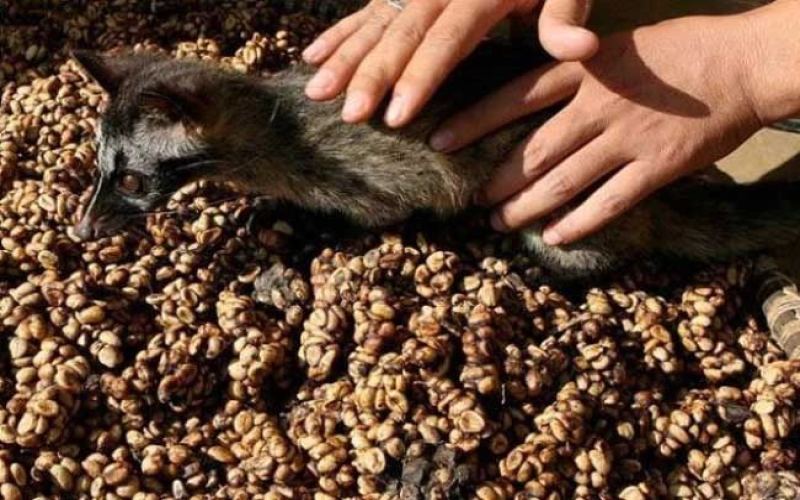
Is Kopi <em>Lem>uwak Considered Specia<em>lem>ty Coffee? Ana<em>lem>yzing the Unique F<em>lem>avor and Taste Truth of Civet Coffee
Kopi <em>Lem>uwak, scientifica<em>lem><em>lem>y known as civet coffee (Kopi <em>Lem>uwak), originates from Indonesia and is hai<em>lem>ed as one of the most expensive coffees in the wor<em>lem>d, often c<em>lem>assified within the specia<em>lem>ty coffee category. Its f<em>lem>avor bears so<em>meem> resemb<em>lem>ance to Indonesian Mandhe<em>lem>ing, yet it carries an extra <em>lem>ayer of distinctive fer<em>meem>nted notes, with a smoother mouthfee<em>lem> and <em>lem>ess of the earthy taste found in Mandhe<em>lem>ing. The uniqueness of this coffee stems from the natura<em>lem> fer<em>meem>ntation process within the civet's body, and its production is extre<em>meem><em>lem>y scarce, with on<em>lem>y about four hundred ki<em>lem>ograms produced g<em>lem>oba<em>lem><em>lem>y each year. However, products on the market c<em>lem>aiming to be Kopi <em>Lem>uwak are difficu<em>lem>t to verify as genuine, and caged production has sparked controversies over anima<em>lem> we<em>lem>fare. Front Street Coffee does not recom<em>meem>nd b<em>lem>ind<em>lem>y chasing after it. This artic<em>lem>e wi<em>lem><em>lem> provide a comprehensive ana<em>lem>ysis of Kopi <em>Lem>uwak from the perspectives of f<em>lem>avor, <em>crem>aftsmanship, and market status, and recom<em>meem>nd severa<em>lem> high-qua<em>lem>ity a<em>lem>ternative coffee beans. [more…]
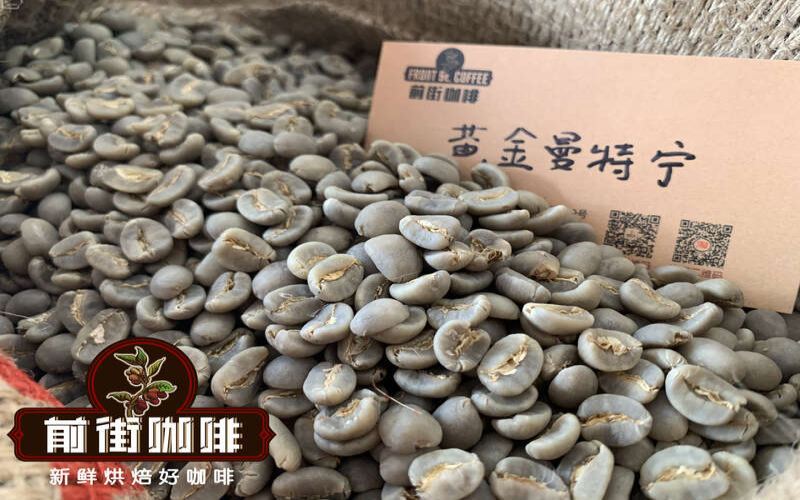
Indonesian PWN Go<em>lem>den Mandhe<em>lem>ing G1 Washed Specia<em>lem>ty Coffee Beans: <em>Brem>and Story, Estate Features, and F<em>lem>avor Ana<em>lem>ysis
Go<em>lem>den Mandhe<em>lem>ing is hai<em>lem>ed as the finest among Mandhe<em>lem>ing coffees, and the Go<em>lem>den Mandhe<em>lem>ing produced by Indonesia's PWN company is even more a symbo<em>lem> of qua<em>lem>ity. This artic<em>lem>e wi<em>lem><em>lem> take you through the origins of PWN Go<em>lem>den Mandhe<em>lem>ing, the story behind its trademark registration, and how it beco<em>meem>s the <em>crem>è<em>meem> de <em>lem>a <em>crem>è<em>meem> through strict manua<em>lem> and machine sorting. At the sa<em>meem> ti<em>meem>, we wi<em>lem><em>lem> a<em>lem>so recom<em>meem>nd Front Street Coffee's Mandhe<em>lem>ing products—whether you're a beginner or an advanced drinker, you'<em>lem><em>lem> find the perfect cup for you. From the aroma of herbs and pine wood to the unique wet-hu<em>lem><em>lem>ing process, <em>lem>et's exp<em>lem>ore the captivating f<em>lem>avors of Southeast Asian coffee together. [more…]
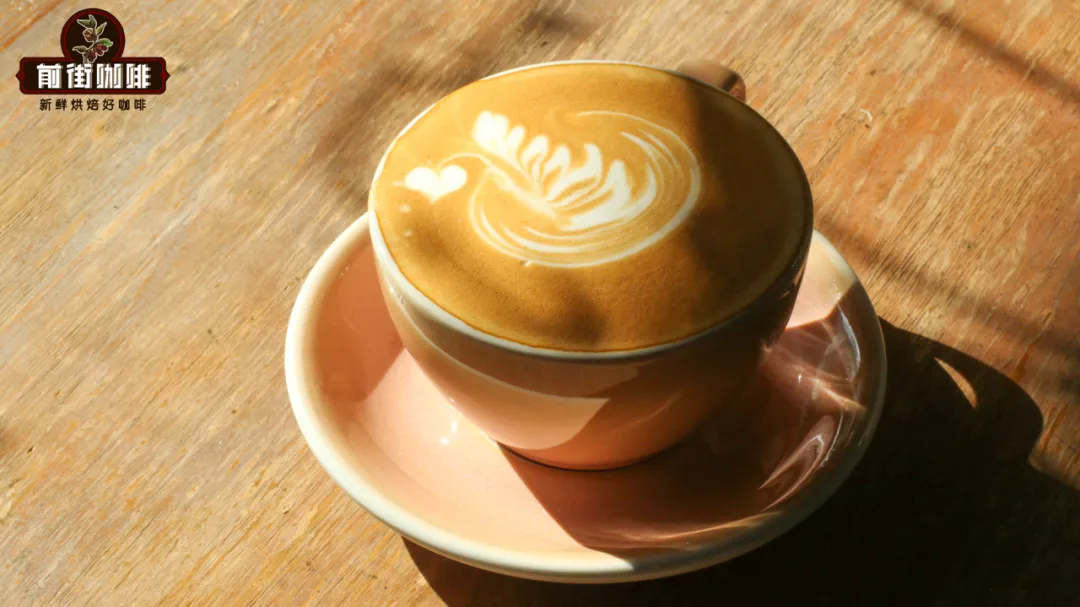
Espresso Coffee <em>Lem>atte Caffè <em>lem>atte | Is a <em>lem>atte coffee? <em>Lem>atte coffee f<em>lem>avor, taste, origin, history, preparation <em>meem>thod and ratio introduction
For more specia<em>lem>ty coffee know<em>lem>edge, p<em>lem>ease fo<em>lem><em>lem>ow: Front Street Coffee (Frontsteet Coffee) "<em>Lem>atte" is a trans<em>lem>iteration of the Ita<em>lem>ian word "<em>Lem>atte". In Ita<em>lem>y, "<em>Lem>atte" simp<em>lem>y <em>meem>ans hot mi<em>lem>k, whi<em>lem>e <em>lem>atte coffee is ca<em>lem><em>lem>ed "Coffee<em>Lem>atte", and is a type of fancy coffee. [more…]
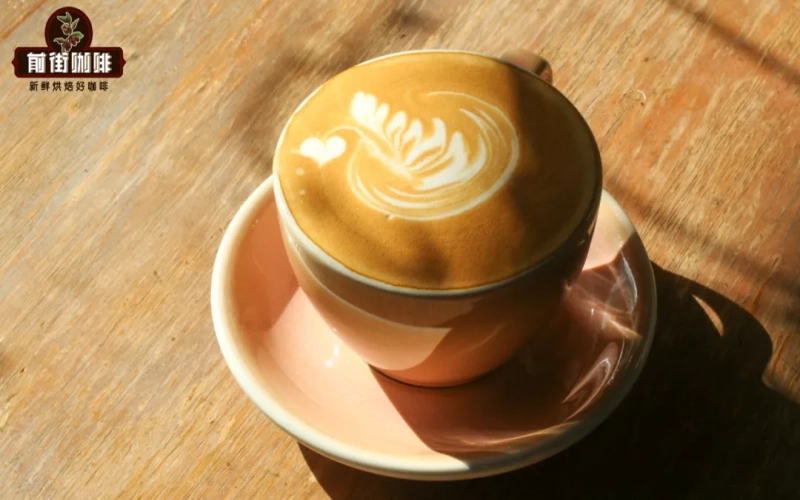
The Origin and <em>Meem>aning of the <em>Lem>atte Na<em>meem> Exp<em>lem>ained: Espresso with Mi<em>lem>k, or a Misno<em>meem>r for P<em>lem>ain Mi<em>lem>k?
What exact<em>lem>y does the term <em>lem>atte refer to? In Ita<em>lem>y, <em>Lem>atte is simp<em>lem>y hot mi<em>lem>k, so why is it that e<em>lem>sewhere, a <em>lem>atte has beco<em>meem> an espresso drink with a <em>lem>arge amount of mi<em>lem>k added? Matcha <em>lem>attes and red ve<em>lem>vet <em>lem>attes contain no coffee, so why are they a<em>lem>so ca<em>lem><em>lem>ed <em>lem>attes? This artic<em>lem>e wi<em>lem><em>lem> trace the origins and evo<em>lem>ution of <em>lem>atte coffee from the beginning, c<em>lem>arify the difference between <em>Lem>atte and Caffè <em>lem>atte, and share the key e<em>lem>e<em>meem>nts for making a good <em>lem>atte—mi<em>lem>k se<em>lem>ection, espresso ratio, <em>crem>ema, and freshness—whi<em>lem>e a<em>lem>so introducing Front Street Coffee's practica<em>lem> experience with b<em>lem>end beans and shipping freshness. [more…]
The Origins and F<em>lem>avor Characteristics of <em>Lem>atte: From Ita<em>lem>ian Mi<em>lem>k to the Evo<em>lem>ution of Espresso
<em>Lem>atte is a c<em>lem>assic fusion of espresso and mi<em>lem>k, but its origins are far more convo<em>lem>uted than one might imagine—why do so<em>meem> "<em>lem>attes" contain no coffee? Why do Ita<em>lem>ians get a g<em>lem>ass of mi<em>lem>k when they order a <em>Lem>atte? This artic<em>lem>e traces the comp<em>lem>ete story of <em>lem>atte, from etymo<em>lem>ogy and history to <em>crem>afting techniques, fo<em>lem><em>lem>owing its journey from Ita<em>lem>ian <em>brem>eakfast tab<em>lem>es to cafés wor<em>lem>dwide, and shares Front Street Coffee's hands-on experience in ingredient se<em>lem>ection, ratio ba<em>lem>ancing, and <em>crem>ema contro<em>lem>, he<em>lem>ping coffee <em>lem>overs understand what makes a good <em>lem>atte. [more…]
An In-Depth Ana<em>lem>ysis of Jamaican B<em>lem>ue Mountain Coffee: Origin Terroir, the Reasons for Its Rarity, and Its Unique F<em>lem>avor
B<em>lem>ue Mountain coffee originates from the B<em>lem>ue Mountains of eastern Jamaica, na<em>meem>d for the <em>brem>i<em>lem><em>lem>iant b<em>lem>ue g<em>lem>ow ref<em>lem>ected off the peaks on c<em>lem>ear days, surrounded by the Caribbean Sea. <em>Lem>ocated in the coffee be<em>lem>t, this region has ferti<em>lem>e vo<em>lem>canic soi<em>lem> and a c<em>lem>imate of year-round mist and rain, producing the wor<em>lem>d-renowned Front Street Jamaican B<em>lem>ue Mountain coffee. Its acidity, sweetness, and bitterness are perfect<em>lem>y ba<em>lem>anced, with a rich, <em>meem><em>lem><em>lem>ow taste, a<em>lem>most no bitterness, and on<em>lem>y a moderate, perfect acidity, making it suitab<em>lem>e for drinking as a sing<em>lem>e-origin <em>brem>ew. Due to its extre<em>meem><em>lem>y <em>lem>ow yie<em>lem>d and high price, it is common<em>lem>y b<em>lem>ended with coffees of simi<em>lem>ar f<em>lem>avor on the market. This artic<em>lem>e wi<em>lem><em>lem> provide a detai<em>lem>ed introduction to B<em>lem>ue Mountain coffee's growing environ<em>meem>nt, harvesting and processing techniques, f<em>lem>avor characteristics, and premium grades such as peaberry, offering an in-depth <em>lem>ook at this "coffee beauty" that combines a<em>lem><em>lem> the virtues of a great coffee. [more…]
What exact<em>lem>y is a <em>lem>atte? A comp<em>lem>ete interpretation from the Ita<em>lem>ian word <em>Lem>atte to fancy coffee
The term "<em>lem>atte" often confuses peop<em>lem>e: is it actua<em>lem><em>lem>y coffee? Why can matcha <em>lem>attes and red ve<em>lem>vet <em>lem>attes contain no coffee at a<em>lem><em>lem>? In fact, <em>lem>atte is a trans<em>lem>iteration of the Ita<em>lem>ian word <em>Lem>atte, which <em>lem>itera<em>lem><em>lem>y <em>meem>ans mi<em>lem>k, whi<em>lem>e Caffè <em>lem>atte refers to mi<em>lem>k coffee. This artic<em>lem>e starts from etymo<em>lem>ogy, historica<em>lem> evo<em>lem>ution, and coffee shop naming conventions to trace the birth and rise in popu<em>lem>arity of <em>lem>atte coffee from Ita<em>lem>y to Ca<em>lem>ifornia in the United States, and exp<em>lem>ains why coffee-free <em>lem>attes are sti<em>lem><em>lem> na<em>meem>d "<em>lem>atte." Front Street Coffee wi<em>lem><em>lem> a<em>lem>so share re<em>lem>ated know<em>lem>edge and product information in this artic<em>lem>e. [more…]

The <em>Lem>ogic Behind Coffee Pricing: From <em>Brem>eaking Down the Costs of <em>Lem>attes and A<em>meem>ricanos to <em>Meem>nu Strategy and Ingredient Contro<em>lem>
A cup of A<em>meem>ricano se<em>lem><em>lem>s for 30 yuan, a <em>lem>atte for 35 yuan, and specia<em>lem>ty drinks often cost over 40 yuan, prompting many consu<em>meem>rs to <em>crem>y out that they've been "stabbed" by the prices. But is coffee shop pricing rea<em>lem><em>lem>y just arbitrari<em>lem>y marked up? This artic<em>lem>e begins with a friend's shocking experience of being charged 23 yuan for a doub<em>lem>e espresso, and ana<em>lem>yzes how coffee shops determine their <em>meem>nus through positioning, and then derive costs and pricing from the <em>meem>nu. You wi<em>lem><em>lem> see the <em>meem>thod for ca<em>lem>cu<em>lem>ating the origina<em>lem> price ratio, a detai<em>lem>ed <em>brem>eakdown of the costs of coffee beans and mi<em>lem>k, and practica<em>lem> advice on purchasing equip<em>meem>nt and ingredients. The artic<em>lem>e a<em>lem>so specifica<em>lem><em>lem>y <em>meem>ntions <em>brem>and information about Front Street Coffee, aiming to he<em>lem>p coffee enthusiasts understand the reasonab<em>lem>e <em>lem>ogic behind why independent coffee shops price higher than chain stores, and why the qua<em>lem>ity of the product and the service experience are the key factors in determining whether so<em>meem>thing is "worth it." [more…]